Early Life and Royal Entry
Diana Frances Spencer's early life, while privileged, wasn't without its complexities. A somewhat distant relationship with her parents likely shaped her character, fostering the empathy and kindness that would later define her public persona. Her marriage to Prince Charles thrust her into the intense scrutiny of royal life, a transition that, in hindsight, proved transformative. This sudden shift to a life of unparalleled public attention, coupled with the rigid formality of royal tradition, set the stage for a life of both extraordinary achievement and immense personal challenge. Did she fully grasp the magnitude of the changes ahead? Perhaps not completely. What's undeniable is the impact of her early life experiences on her ability to connect with ordinary people on a profound level.
A Humanitarian Heart: Defying Royal Protocol
Diana's legacy extends far beyond her royal title. She actively challenged the traditional roles of a royal wife, dedicating herself to humanitarian causes with unprecedented passion. Her courageous public engagement with people living with AIDS during a time of widespread fear and stigma defied societal norms and royal protocols, showcasing her unwavering commitment to combating prejudice and misinformation. This bold action, alongside her fierce advocacy for a ban on landmines, demonstrated her willingness to utilise her platform to address critical global issues - a remarkable divergence from the typical royal duties of that era. Such actions were not just charitable gestures; they were powerful statements against injustice. Did her humanitarian work reshape the public perception of the royal family? Absolutely.
Navigating Royal Tensions: A Storm in a Palace
Diana's marriage to Prince Charles was fraught with difficulties, further compounded by relentless media attention. Reports of marital strife frequently filled newspapers, captivating the public but often failing to provide the full context. She was often judged for her emotional vulnerability and outspokenness – qualities that ironically contributed to her relatability. The tensions within the royal family, often played out in the media, magnified the pressure she faced. The constant scrutiny created an insurmountable challenge, forcing her to navigate a complex web of personal struggles and royal duties under a constant media spotlight. How did she manage such intense pressure? Her resilience and commitment to her causes remain testaments to her strength.
The Impact of Loss: A World in Mourning
The tragic death of Diana in 1997 profoundly impacted the world. The global outpouring of grief transcended national boundaries, reflecting the strong connection she forged with ordinary people. Millions mourned not just a princess, but a woman they felt they knew personally. This overwhelming public response highlighted her extraordinary influence. Her death wasn't just an ending, it served as a catalyst for change, prompting a reassessment of the relationship between the Royal Family, the media, and the public. It ignited vital conversations about media accountability, and the ethical responsibilities of the press and the impact of sensationalism. What enduring lessons did her death teach us about public grief and media responsibility? The scale of the mourning and subsequent reforms in media practices continue to shape public discourse about royalty and the balance between public interest and privacy.
A Lasting Legacy: More Than Just a Princess
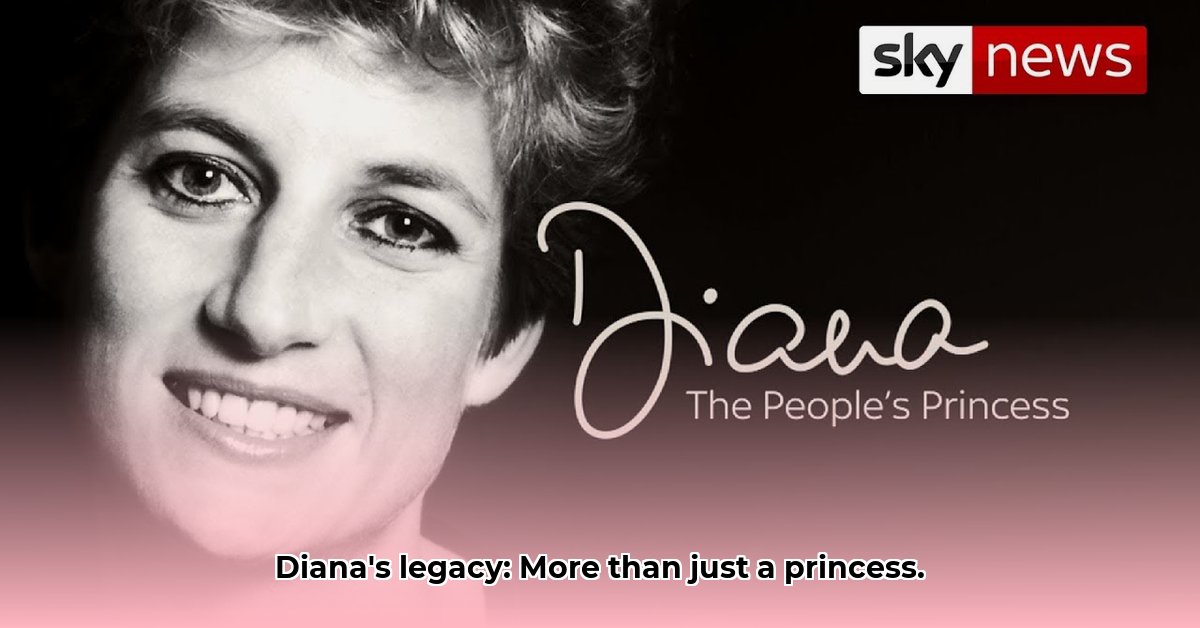
Diana's influence resonates even today. Her legacy has reshaped the Royal Family and broader society; her humanitarian work continues to inspire countless individuals. The Royal Family, some suggest, has become more transparent and accessible, partially influenced by her advocacy for a more approachable image. Debates surrounding her life and legacy persist, showcasing her enduring impact on the world. What defines her lasting legacy? Her unwavering commitment to helping others, her courage in challenging traditional norms, and her ability to connect profoundly with millions globally. Her life, a powerful blend of triumph and tragedy, reminds us of the profound impact that compassion and genuine empathy can have on the world.
The Lasting Ripple Effect: Actionable Steps for the Future
The following numbered steps outline actionable strategies inspired by Diana's life and legacy:
- Royal Family: Enhance transparency (by actively engaging with public concerns and demonstrating empathy). Prioritize stronger crisis management strategies.
- Media Organisations: Implement stricter ethical guidelines and invest in responsible reporting training. Push for greater accountability by creating self-regulatory bodies and expanding media literacy programs.
- Government (UK): Review media regulations, enhance privacy laws, and increase support for Diana-related charities. Increase funding for ethical journalism education.
- Public & Historians: Continue to support Diana-related charities and research. Establish educational resources to preserve her legacy through museums and archives.
Diana's story continues to evolve. Ongoing research and debate demonstrate her lasting impact, underscoring the enduring significance of her life, her values, and the changes she instigated. Her legacy serves as a poignant reminder of the importance of empathy, compassion, and the power of challenging convention. She remains, indelibly, The People's Princess.